Market News

Forex Market News .. collected from serval sources, all in one place for you to review. entries in this category will be auto-removed after 90 days.

Germany January industrial orders -11.1% vs -4.5% m/m expected

  • Prior +7.8%; revised to +6.4%

When you exclude large orders, overall factory orders in Germany were just 0.4% lower than in December last year. Once again, it reflects the volatile swings in large orders mostly with December recording a major jump - its highest level since February 2022. The less volatile three-month comparison for new orders show a 1.5% increase overall instead, that is once you exclude large orders as well.

Looking at the details, the orders for the manufacture of metal products showed a 39.4% drop in January compared to December (which increased by 29.7%). So, that makes up for a large chunk of what we're seeing with the headline figure.

Besides that, there were also declines in mechanical engineering (-13.5%) and in…
Read source

Germany January industrial production -0.5% vs +1.0% m/m expected

  • Prior -1.9%; revised to -1.0%

The drag here also comes after a more positive revision to the December numbers, so keep that in mind. Still, German industrial output was much weaker in January amid a steeper drop in production in the manufacture of metal products (-12.4%). Looking at the breakdown, the production of consumer goods fell by 4.2%, the production of intermediate goods by 2.6%, and the production of capital goods by 1.6%.

The year-on-year reading shows overall German industrial production dropping by 2.6% after adjusting for calendar effects.

This article was written by Justin Low at investinglive.com.
Read source

Japan reportedly calls on oil storage bases to prepare for release of stockpiles

That as the report notes that preparations are now being made in anticipation of a prolonged de facto closure of the Strait of Hormuz.

For some context, there are ten national oil stockpiles in Japan. And they are either managed by the Japan Energy and Metals National Corporation (JOGMEC) and privately operated stockpiles. The government has now instructed these storage bases to prepare for release.

That as it would seem to line up with the reported joint release and coordinated effort with the IEA earlier here.

The full Nikkei report can be found here (may be gated).

This article was written by Justin Low at investinglive.com.
Read source

Japan prime minister Takaichi: Hard to say how Middle East conflict could affect economy

  • Hard to say how the conflict in the Middle East could affect Japan's economy
  • Many citizens are worried about rising gasoline prices
  • The government is scrutinising to see what steps it can take
  • Any steps taken to mitigate the impact won't likely involve changes to the fiscal year 2026 budget

In just a week, Japan has had to pay ~70% more dollars to secure the same amount of oil it needs to run the economy. And that really stings for a country that is ever so heavily reliant on energy imports.

Amid the surge in oil prices, Japan is one of the biggest losers tied to the conflict. The country risks running a further deficit and to think about subsidies to help, that will increase debt pressures even more. And that comes at a poor time amid heavy…

Read source

Bahrain’s major oil refinery also reportedly struck by Iranian drone attack

It is being reported by Reuters that there is thick smoke rising from the direction of Bahrain's Bapco oil refinery. This is one of the oldest and most strategic energy hubs in the region, with Bahrain even investing heavily to modernise the facility and infrastructure.

For some context, the energy accounts for roughly 70% of Bahrain's GDP and much of that is anchored by Bapco. Think of it as the Aramco to Saudi Arabia but for Bahrain.

In terms of output capacity, Bapco's refinery hub produces about 405,000 barrels per day and that is no small amount. To put things into perspective, Saudi Aramco's Ras Tanura facility - also disrupted by Iran's drone strikes - does about 550,000 barrels per day.

The Reuters' witness says that the smoke…

Read source

Everything that Trump hates is what is happening in markets

What a scintillating start to the new week this is. Oil prices have surged by well over 20%, poised for its largest one-day gain on record. And we're talking about prices near $120 again after having initially hesitated to get above $80 last week.

I mentioned last week already that the $80 mark was the key barometer for the temperature in the room:

"The $80 mark is a key line in the sand now. A push above that suggests that traders are growing ever more nervous about the Middle East conflict. Keep below and it leans more towards simmering tensions with hopes that things will settle down soon enough. If traders get around the idea of holding above $80, I'm afraid we might get a rush to much higher levels and even see talks about triple…

Read source

China February CPI +1.3% vs +0.8% expected

  • Prior was +0.2% y/y
  • CPI m/m +1.0% vs +0.5% expected
  • Prior m/m CPI was +0.2%
  • PPI y/y -0.9% vs -1.2% expected
  • Prior y/y PPI was -1.4%

This is a hot reading and will be even hotter with the energy price rise in March.

China's Consumer Price Index, published monthly by the National Bureau of Statistics (NBS), is the primary gauge of consumer inflation in the world's second-largest economy. The basket is weighted heavily toward food (roughly 32% of the total), making the headline figure sensitive to swings in pork, vegetable, and grain prices. The NBS also reports core CPI, which strips out food and energy, as well as producer prices (PPI) — together providing a fuller picture of domestic demand conditions.

China has struggled to shake deflationary…

Read source

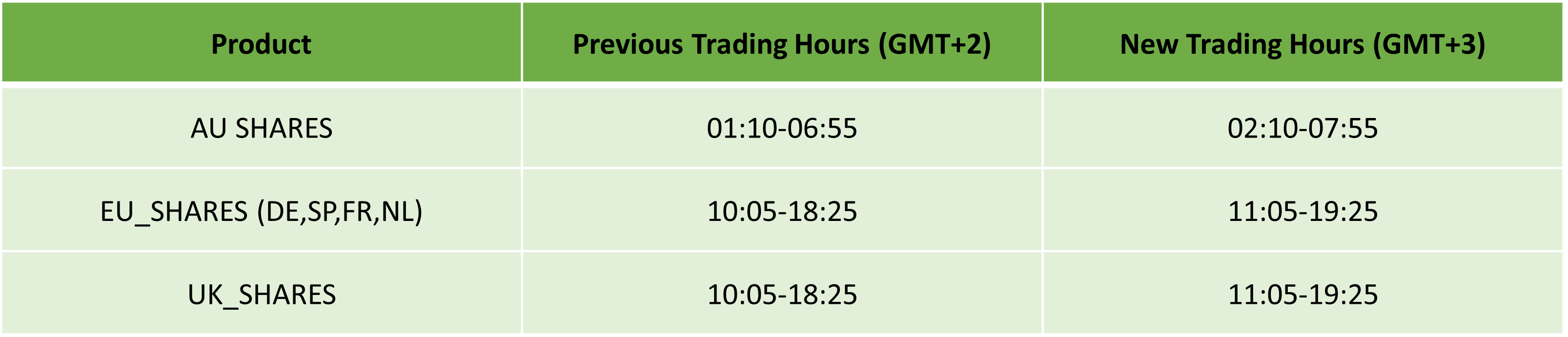
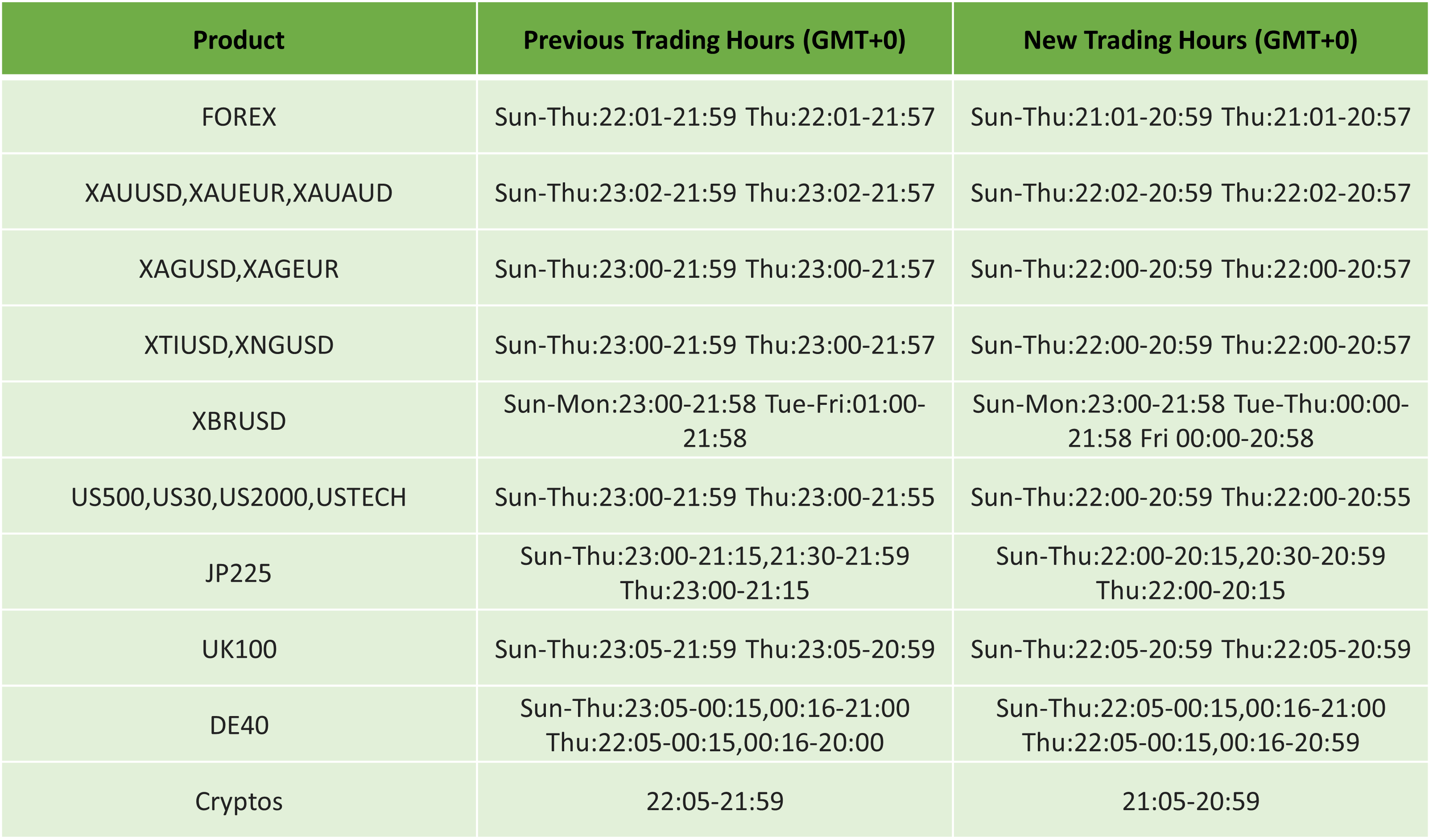
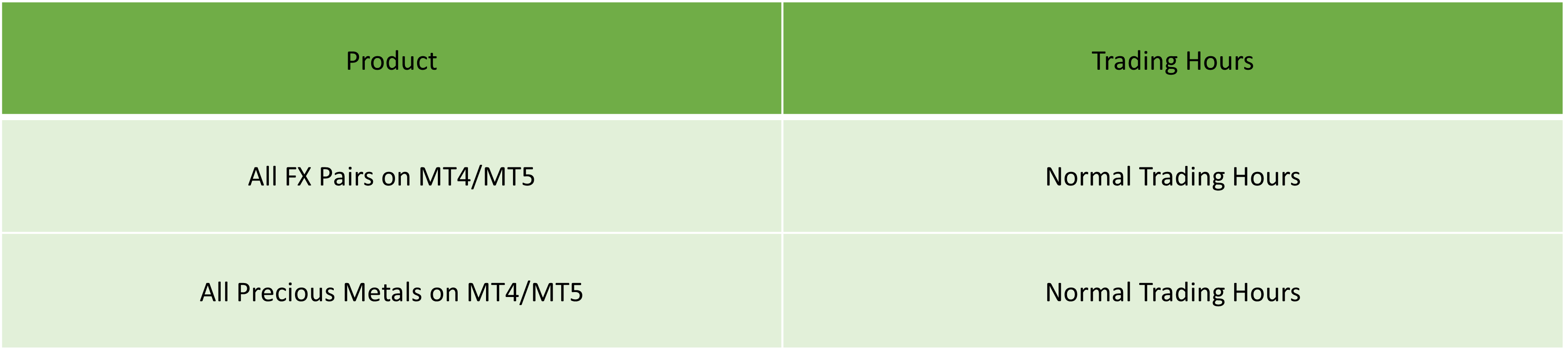
US Daylight Savings & Server Time Changing to GMT+3 – 2026

Dear Client,

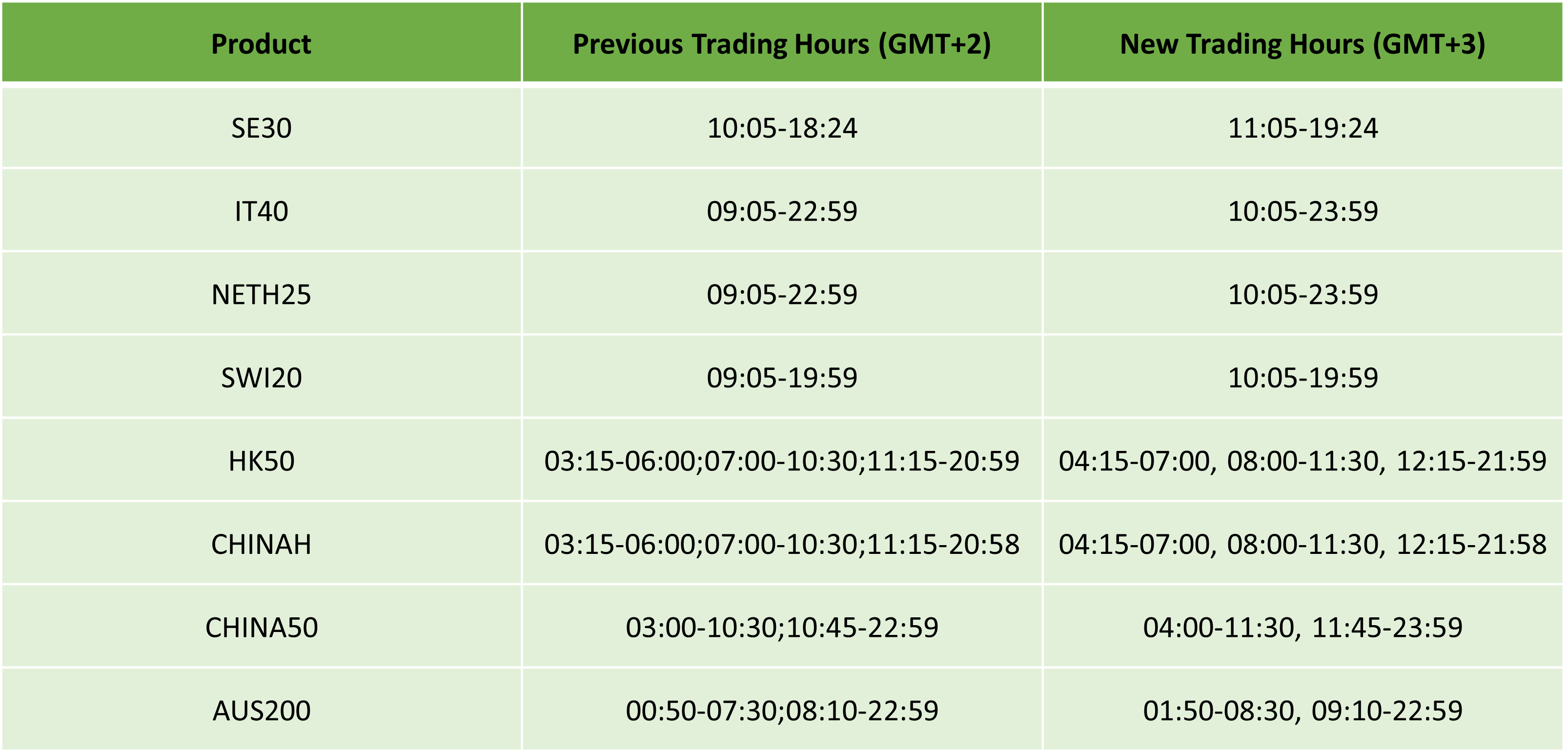
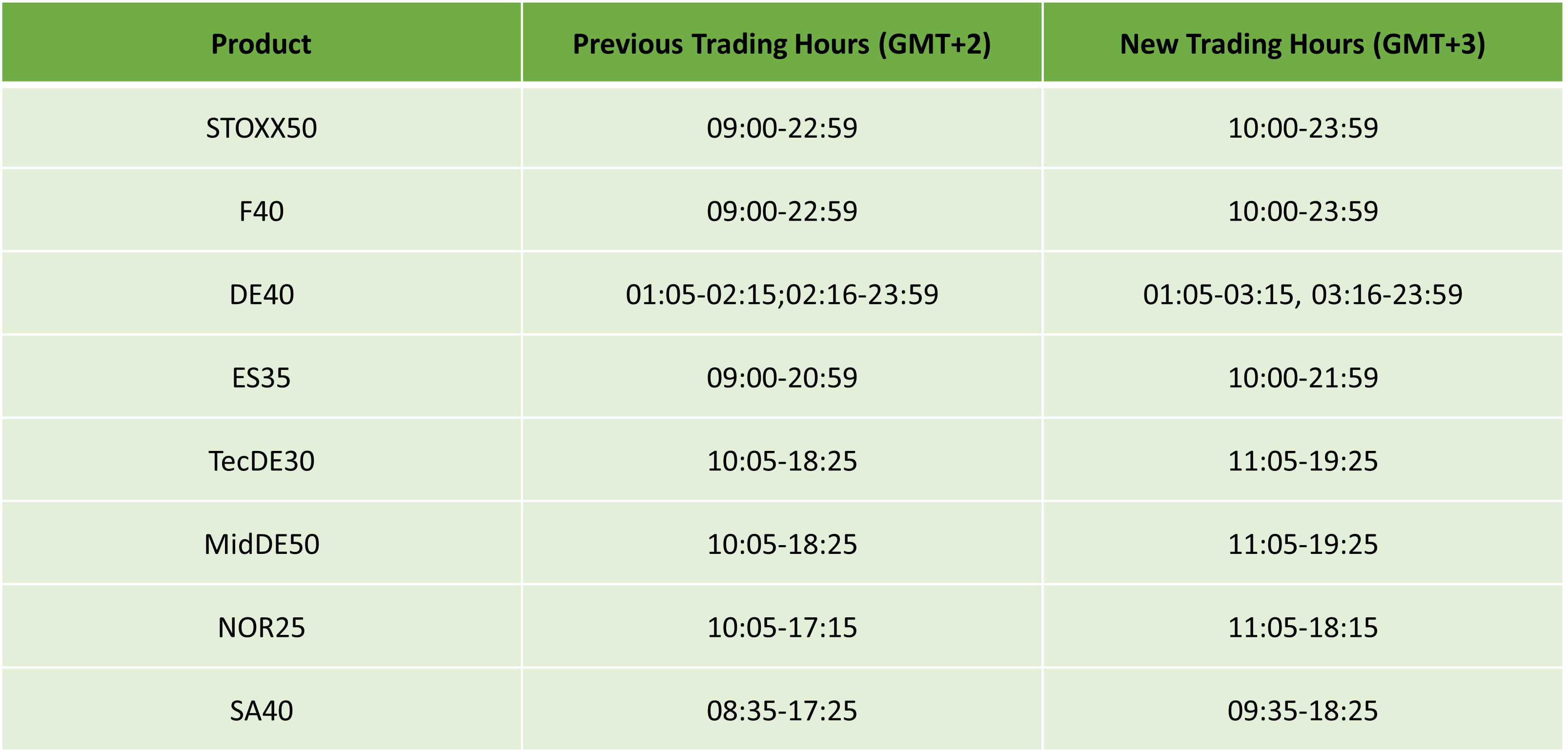
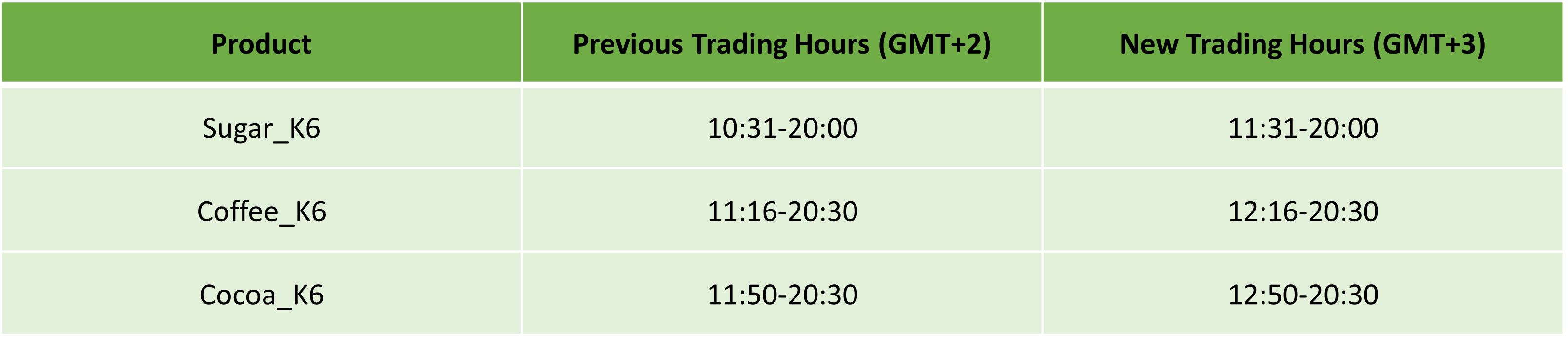
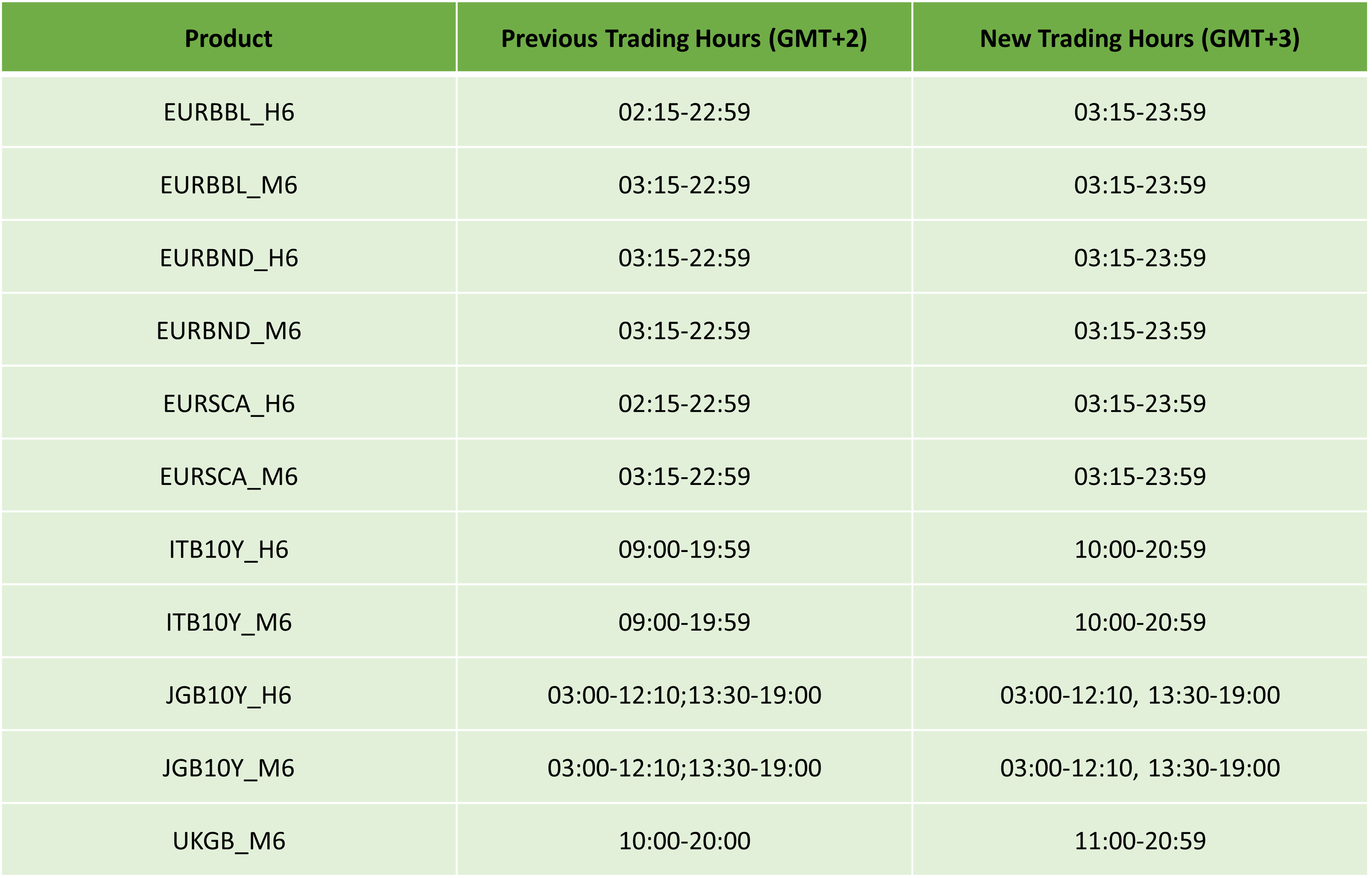
As part of our commitment to providing the best trading experience to our clients, we want to inform you there will be an adjustment in the trading schedule due to the US entering Daylight Savings on Sunday, 08 March 2026.

As a result, the server time will be adjusted from GMT+2 to GMT+3.

Please note that the change to GMT+3 may affect your EAs and you may need to adjust the time prior to 08 March 2026.

MT4/5:

Indices:

Soft Commodities Futures:

Bonds:

Shares:

cTrader:

For any further assistance, please contact our Support Team.

Kind regards,

IC.

The post US Daylight Savings & Server Time Changing to GMT+3 – 2026 first appeared on IC Markets | Official Blog.

Read source

Rough day in Japan as the yen falls and the Nikkei plunges

USD/JPY is closing in on the highest levels of the year.

The pair is up 80 pips so far today to 158.59, breaking above last week's peak and trading at the best levels since January 22. That was the day of the widely-publicized Ministry of Finance rate check via US banks late on a Friday. That move caused a huge position squaring event, while in early February the strong LDP election win led to a second drop in USD/JPY.

All that has been washed away now as the yen takes a beating. Japan is a major energy importer and the lack of oil and natural gas coming through the Strait of Hormuz is a massive problem for the island.

Japanese trade minister Akazawa said he discussed energy with US Commerce Secretary Howard Lutnick but refrained from…

Read source

Japana January current account surplus 941.6B vs 960B expected

  • Prior was 728.8B yen
  • Current account in goods vs 134.9B prior

Japan's current account balance, published monthly by the Ministry of Finance, is one of the broadest measures of the country's international transactions. It captures the trade balance in goods and services, primary income (mainly investment returns from overseas assets), and secondary income (transfers). As the world's largest net creditor nation, Japan's current account has been structurally supported by enormous overseas investment holdings accumulated over decades.

For full-year 2025, Japan posted a record current account surplus of ¥31.88 trillion, up 11.1% from the prior year and the highest since comparable data began in 1985. The result extended a two-year streak of…

Read source

Japana January current account surplus 941.6B vs 960B expected

  • Prior was 728.8B yen
  • Current account in goods vs 134.9B prior

Japan's current account balance, published monthly by the Ministry of Finance, is one of the broadest measures of the country's international transactions. It captures the trade balance in goods and services, primary income (mainly investment returns from overseas assets), and secondary income (transfers). As the world's largest net creditor nation, Japan's current account has been structurally supported by enormous overseas investment holdings accumulated over decades.

For full-year 2025, Japan posted a record current account surplus of ¥31.88 trillion, up 11.1% from the prior year and the highest since comparable data began in 1985. The result extended a two-year streak of…

Read source